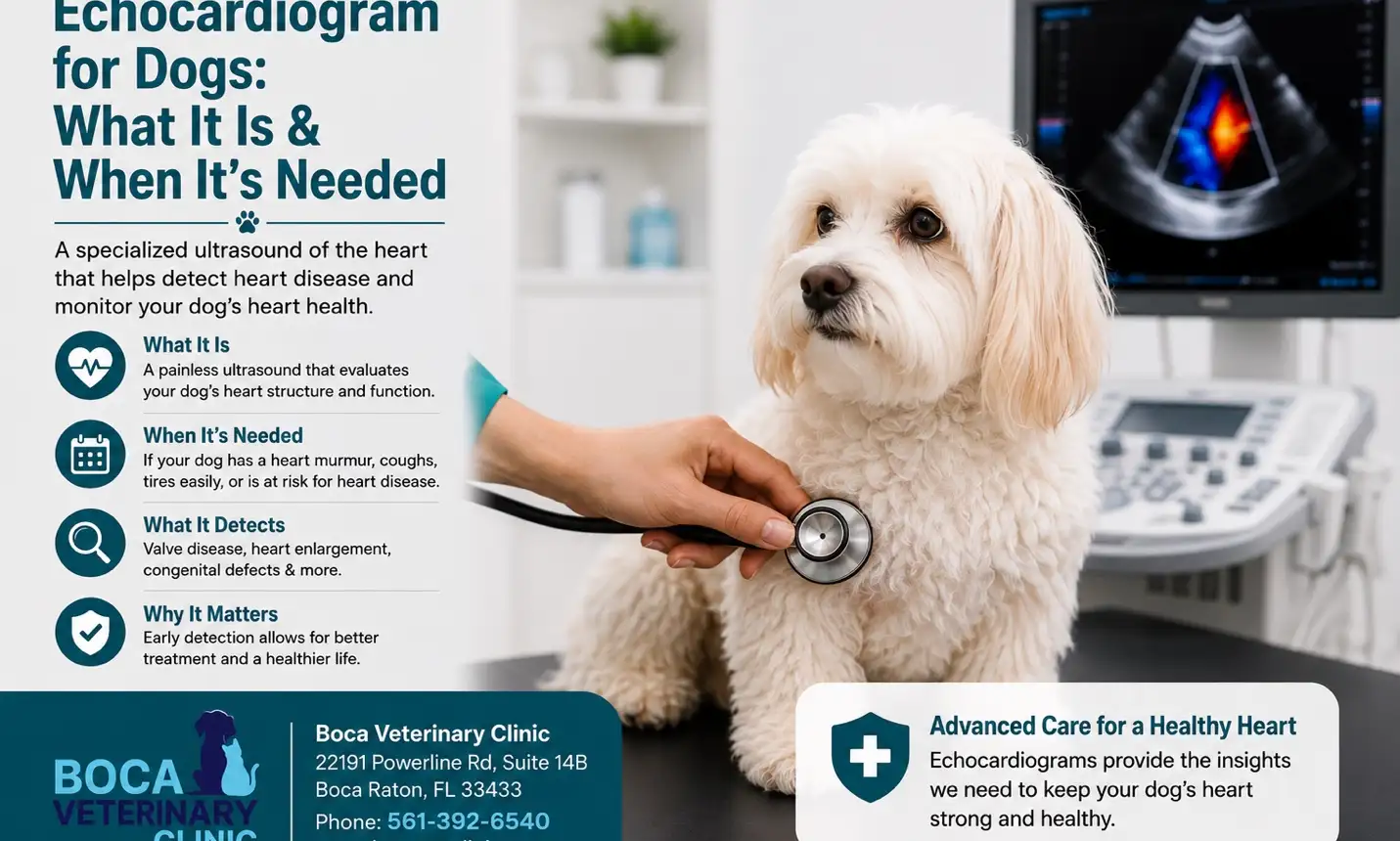
If your veterinarian recommends an echocardiogram for your dog, you may wonder what the test can detect, why it’s needed and whether your dog will need sedation. A dog echocardiogram is an ultrasound examination of the heart. It provides real-time images that allow veterinarians to evaluate the heart’s chambers, valves, walls, movement and function. An echocardiogram may be recommended…
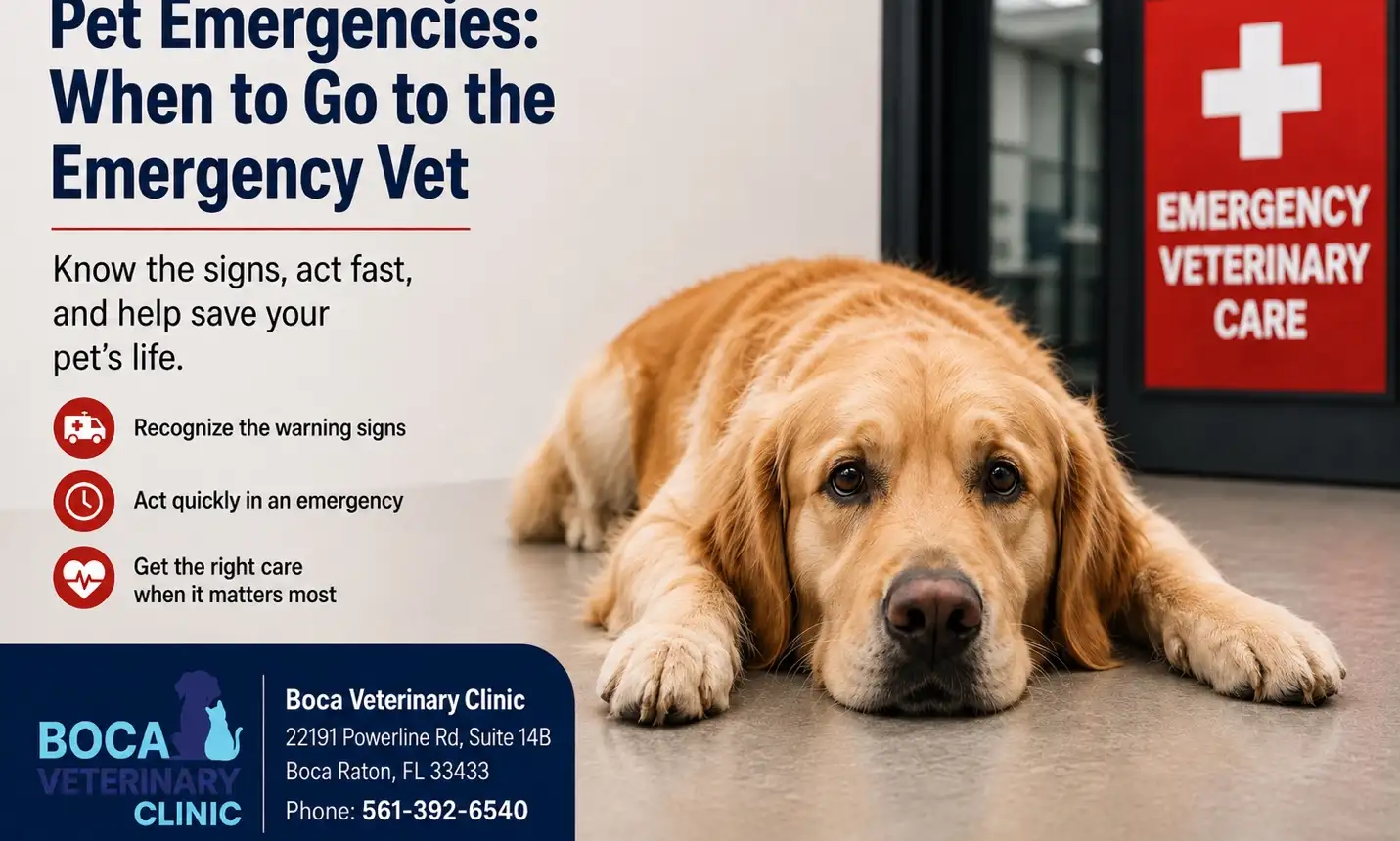
When your dog or cat suddenly starts acting sick, it can be difficult to know whether you should monitor the problem, call your veterinarian or seek veterinary care immediately. A pet emergency is generally a sudden or serious medical problem that requires prompt veterinary attention. Difficulty breathing, uncontrolled bleeding, seizures, collapse, suspected poisoning, inability to urinate and significant trauma are…
Read: 12 Pet Emergency Signs: When Dogs & Cats Need Urgent Care
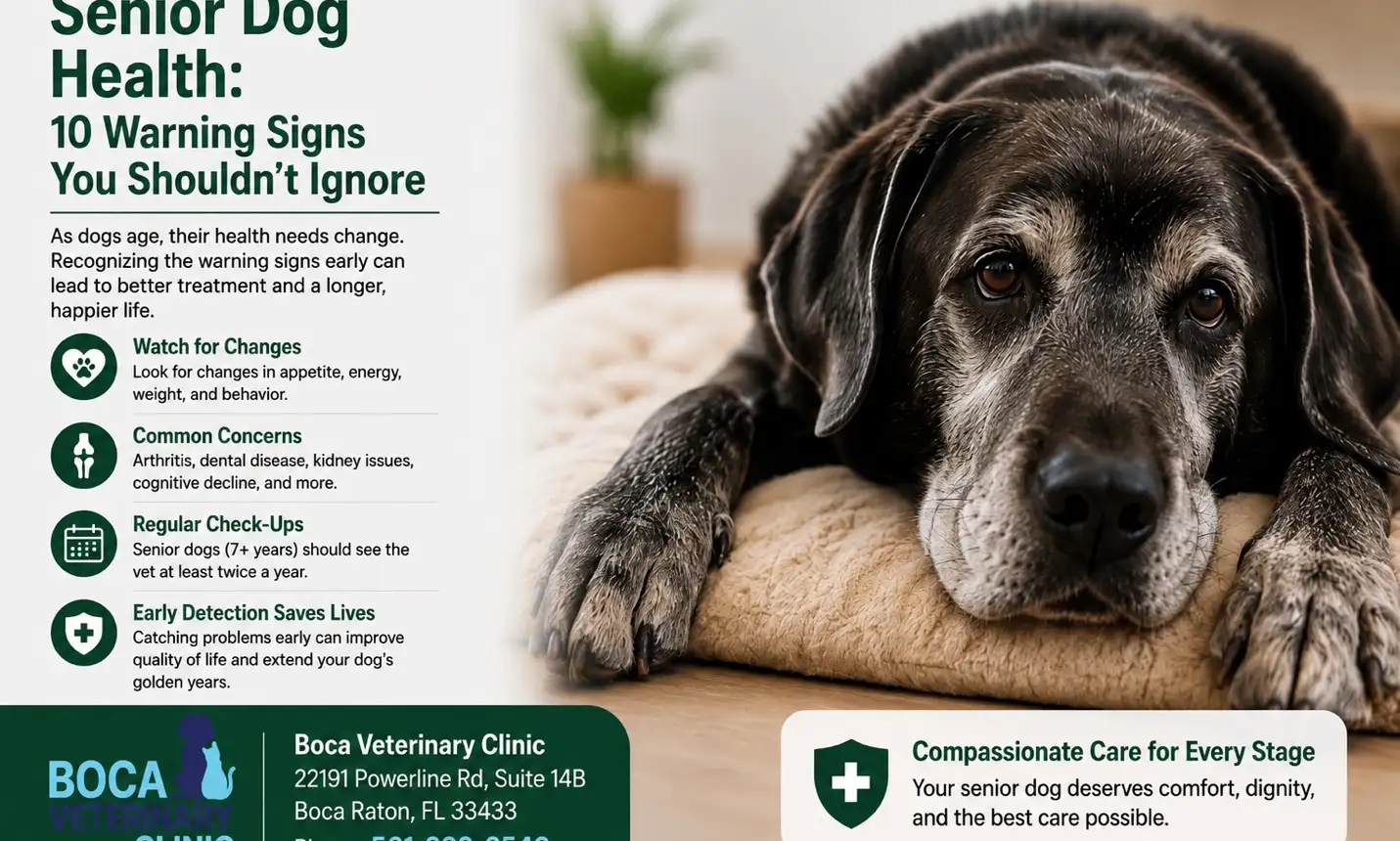
As dogs get older, changes in energy, mobility and behavior can occur gradually. But pet owners shouldn’t assume every change is simply a normal part of aging. Senior dogs should see a veterinarian when they develop unexplained weight loss, significant appetite changes, increased thirst or urination, difficulty walking, persistent coughing, repeated vomiting or diarrhea, new lumps, behavioral changes, dental…
Read: Senior Dog Health: 10 Warning Signs You Shouldn't Ignore
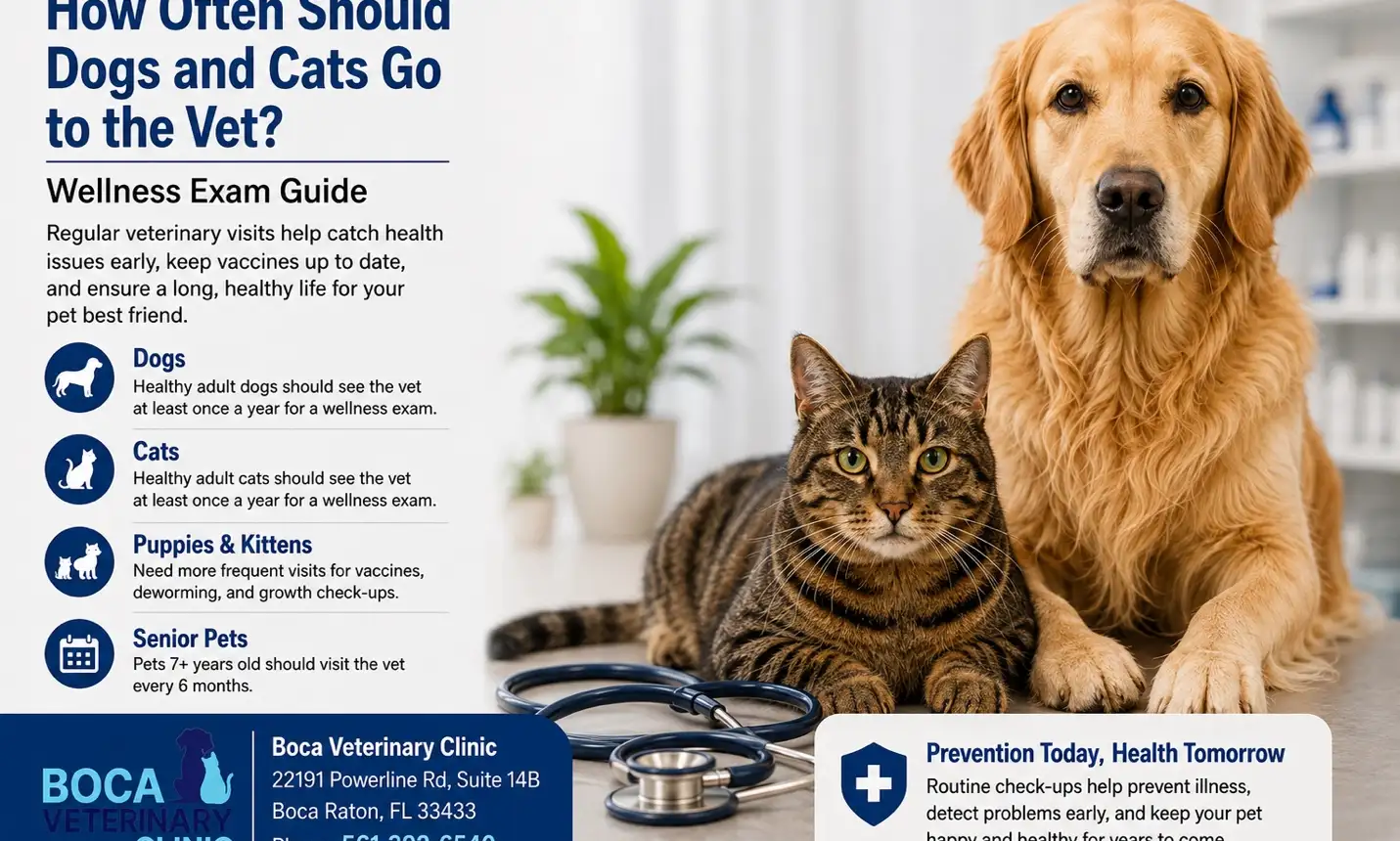
Even when your dog or cat seems perfectly healthy, regular veterinary examinations are an important part of preventive healthcare. Pets can’t tell us when something feels different, and some health problems may develop before obvious symptoms appear. Most healthy adult dogs and cats should have a veterinary wellness examination at least once a year. Puppies, kittens, senior pets…
Read: How Often Should Dogs and Cats Go to the Vet? Wellness Exam Guide
Key Takeaways Boca’s Climate Culprits The Humidity Factor Year-Round Pollen Persistent Pests Identifying The Itch Allergic Reactions Parasitic Problems Fungal Intruders Bacterial Breakouts Localized Diagnosis Skin Scrapings Allergy Testing Culture Samples Boca-Specific Treatments Medicated Baths Targeted Medications Environmental Control Proactive Skin Care Consistent Grooming Strategic Nutrition Parasite Prevention Beyond The Obvious The Salty Air Myth The “It’s Just Dry Skin”…
Key Takeaways Boca Raton’s Risks Constant Parasites Local Wildlife Social Lifestyles Hurricane Season Community Health Your Pet’s Shield Core Vaccines Lifestyle Vaccines Lifelong Protection Puppies and Kittens Adult Pets Senior Companions The Clinic Experience Calm Environment Expert Team Modern Protocols Beyond The Shot Health Screenings Microchipping Parasite Prevention Your Peace of Mind Transparent Costs Simple Scheduling Aftercare Support Conclusion Frequently…
Key Takeaways Immediate Response Secure The Area Time The Event Cushion The Head Reduce Stimulation Avoid The Mouth When To Intervene First Seizure Cluster Events Prolonged Duration Difficult Recovery After The Seizure Provide Comfort Offer Water Document Details Contact Your Vet Monitor for Local Triggers Veterinary Evaluation Initial Exam Blood Work Advanced Imaging Neurologist Referral The Emotional Toll Owner Anxiety…
Read: What to Do When Your Dog or Cat Has a Seizure in Boca Raton?
Key Takeaways Recognizing Crisis Subtle Signs Obvious Symptoms Behavioral Changes Your Boca Raton Action Plan Immediate Call Isolate Calmly Prepare Transport Notify Clinic Gather Records Navigating Local Care What to Expect Post-Procedure Care The “Why” Behind It Stress Triggers Diet and Hydration Genetic Factors Florida-Focused Prevention Hydration Stations Environmental Enrichment Diet Adjustments Humidity and Health Emotional Toll Conclusion Frequently Asked…
Key Takeaways Immediate Actions Separate Dogs Assess Yourself Initial Wound Care Exchange Information Veterinary Triage The Assessment The Treatment Boca Raton Protocol Reporting Bites Quarantine Rules Environmental and Seasonal Risks Florida’s Hidden Dangers Environmental Risks Wildlife Encounters Hurricane Season Emotional and Physical Trauma The Unseen Wounds Your Dog’s Trauma Your Own Stress Proactive Prevention Conclusion Frequently Asked Questions What should…